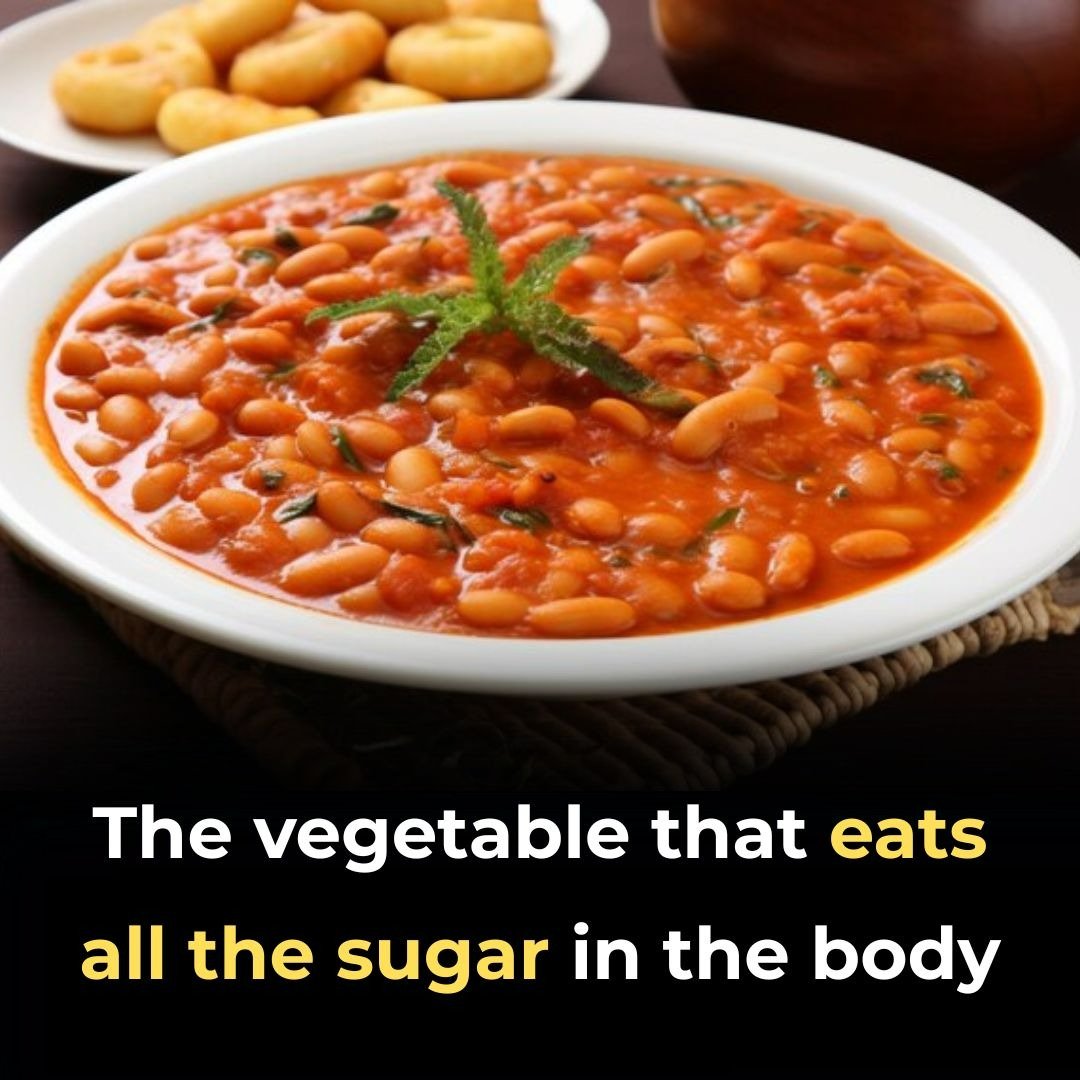
Nature has provided us with powerful tools to manage blood sugar—and one vegetable stands out as a particularly strong opponent against diabetes. It’s affordable, widely available, and backed by scientific research.
Let’s talk about okra.
Okra: The Unsung Hero of Blood Sugar Management
Okra (also known as lady’s finger or gumbo) has earned its reputation as a diabetes-fighting vegetable through both traditional use and modern research. Its unique combination of fiber, antioxidants, and other compounds makes it a valuable addition to any diet, especially for those concerned about blood sugar.
Why Okra Works
1. Fiber That Slows Sugar Absorption
Okra is rich in soluble fiber, particularly a type called mucilage—that’s the slightly “slimy” texture some people notice. This fiber forms a gel-like substance in your digestive tract that:
Slows down the absorption of sugar from other foods
Prevents sharp blood sugar spikes after meals
Keeps you feeling fuller longer, reducing cravings
2. Compounds That Improve Insulin Sensitivity
Research suggests that okra contains compounds that may:
Increase insulin sensitivity at the cellular level
Help cells take up glucose more effectively
Reduce insulin resistance, a key factor in type 2 diabetes
3. Antioxidant Protection
Okra is packed with antioxidants, including flavonoids and polyphenols, that:
Reduce oxidative stress caused by high blood sugar
Protect blood vessels from damage
Lower inflammation throughout the body
What the Research Says
A 2021 review in Phytotherapy Research highlighted okra’s promising role as a supportive dietary element for maintaining healthy blood glucose levels.
Studies have shown:
Okra extract reduced blood sugar levels in diabetic animal models
The fiber in okra significantly slowed sugar absorption in human studies
Regular okra consumption was associated with better blood sugar control in people with type 2 diabetes
Important note: Okra is a supportive food, not a replacement for medication. Always work with your healthcare provider.
How to Eat Okra for Blood Sugar Benefits
The Key: Minimize the “Slime” (If It Bothers You)
Many people avoid okra because of its mucilaginous texture. Here’s how to cook it in ways that minimize the “slime” while preserving its benefits:
See next page