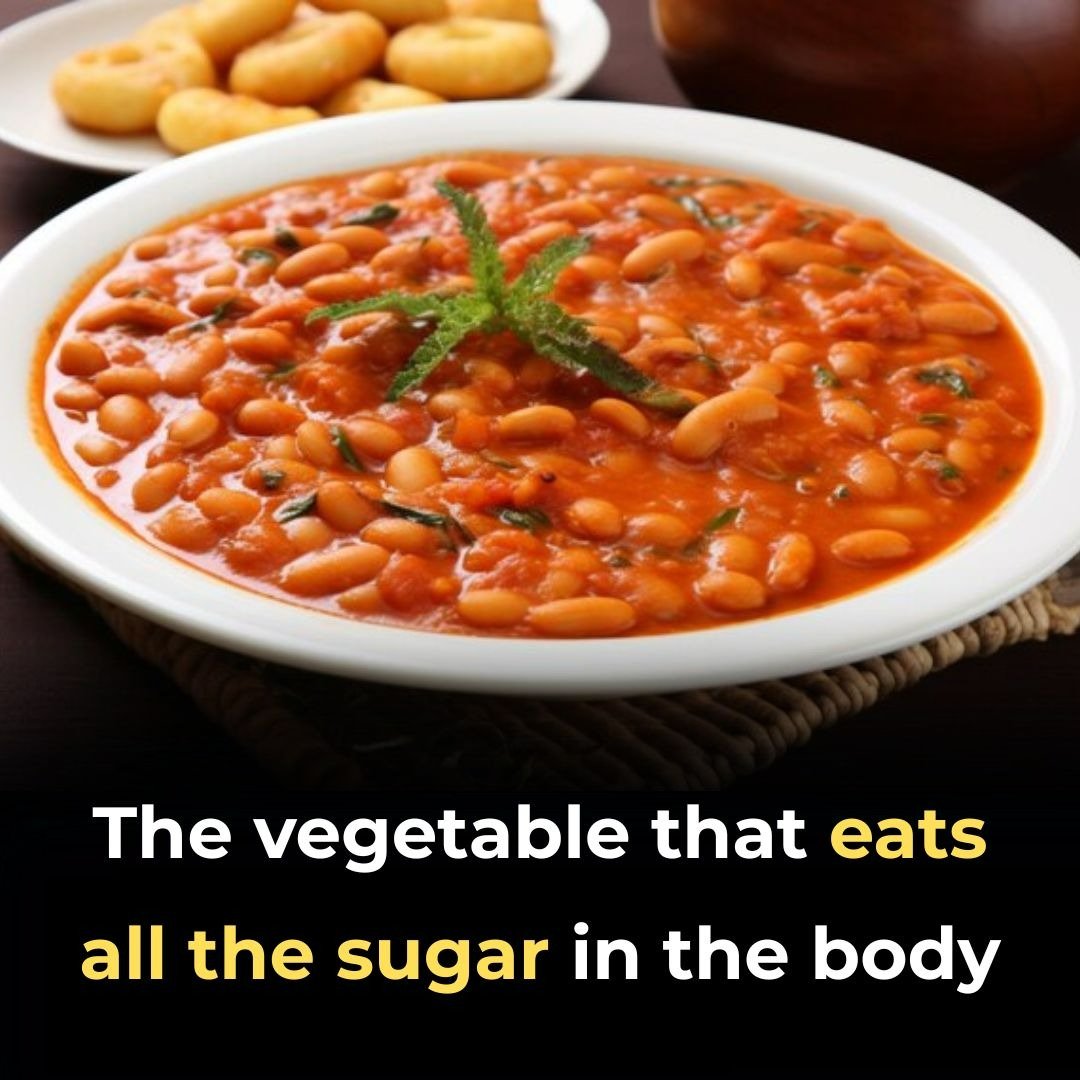
1. Roasted Okra (Best for Crunch)
Toss whole or sliced okra with olive oil, salt, and pepper
Roast at 425°F (220°C) for 15-20 minutes until crispy-edged
High heat minimizes mucilage and creates a delicious, crunchy texture
2. Grilled Okra
Thread whole okra onto skewers
Brush with oil and grill over medium-high heat until charred
Quick, high-heat cooking reduces sliminess
3. Air-Fried Okra
Toss with oil and seasonings
Air fry at 375°F for 10-12 minutes, shaking halfway
Perfectly crispy, no deep frying needed
4. Okra Curry or Stew
The mucilage actually helps thicken soups and stews naturally
Cook with tomatoes (the acid helps reduce sliminess)
Indian-style bhindi masala is a delicious option
5. Pickled Okra
Pickling transforms okra into a crisp, tangy snack with no slime at all
Great in salads or as a snack
6. Okra Water (Traditional Remedy)
Some people soak okra in water overnight and drink the water in the morning for blood sugar support.
How to make it:
Slice 4-5 fresh okra pods
Soak in a glass of water overnight
Remove okra in the morning and drink the water
Simple Roasted Okra Recipe
Ingredients:
1 lb fresh okra, stems trimmed
2 tablespoons olive oil
½ teaspoon salt
¼ teaspoon black pepper
½ teaspoon garlic powder (optional)
Pinch of cayenne (optional)
Instructions:
Preheat oven to 425°F.
Toss okra with oil and seasonings.
Spread in a single layer on a baking sheet.
Roast for 15-20 minutes, flipping halfway, until tender and crispy-edged.
Serve immediately.
Other Vegetables That Help Lower Blood Sugar
Okra isn’t alone in its blood sugar benefits. Consider adding these as well:
Vegetable How It Helps
Leafy greens (spinach, kale) High magnesium, low carb
Bitter melon Contains compounds that mimic insulin
Broccoli Sulforaphane improves insulin sensitivity
Onions and garlic Sulfur compounds help lower blood sugar
Bell peppers Vitamin C helps reduce oxidative stress
Zucchini Low-carb, high-fiber
Tomatoes Lycopene protects blood vessels
A Note on Portions and Preparation
While okra is healthy, how you prepare it matters:
Best: Roasted, grilled, steamed, or in soups/stews
Limit: Fried okra (adds unhealthy fats and calories)
Avoid: Okra cooked with lots of added sugar
Who Should Be Cautious?
Okra is safe for most people, but:
Kidney stones: Okra contains oxalates, which can contribute to calcium-oxalate kidney stones in susceptible individuals. If you have a history of stones, moderate your intake.
Blood thinners: Okra is high in vitamin K. If you take blood thinners like warfarin, maintain consistent intake.
Digestive sensitivity: The high fiber content can cause gas or bloating in people not used to it. Start with small portions.
The Bottom Line
Okra is a powerful, affordable, and delicious vegetable that can play a valuable role in managing blood sugar. Its fiber, antioxidants, and unique compounds work together to slow sugar absorption, improve insulin sensitivity, and protect against the damage caused by high blood sugar.
It’s not a magic bullet—but as part of a balanced, healthy diet, it’s a strong opponent against diabetes.