There’s a humble little plant growing in gardens, sidewalks, and cracks in driveways that most people pull out without a second thought.
It’s succulent. It’s lemony. It’s often called a weed.
But what if I told you that this unassuming green—purslane (Portulaca oleracea)—might be one of the most powerful, nutrient-dense foods you could add to your diet, especially after 60?
I’ll admit, I used to yank it from my garden without hesitation. Then I learned that purslane contains more omega-3 fatty acids than almost any other leafy vegetable. That it’s been used in traditional medicine for centuries across cultures. That modern science is now confirming what healers have long known: this “weed” is a wellness powerhouse.
If you’re over 60 and looking for simple, food-based ways to support your heart, brain, bones, and overall vitality, purslane deserves your attention.
Let’s explore what happens to your body when you eat this remarkable plant daily—and how to enjoy it safely and deliciously.
🌿 First, What Exactly Is Purslane?
Before we dive into benefits, let’s get acquainted with this unsung hero.
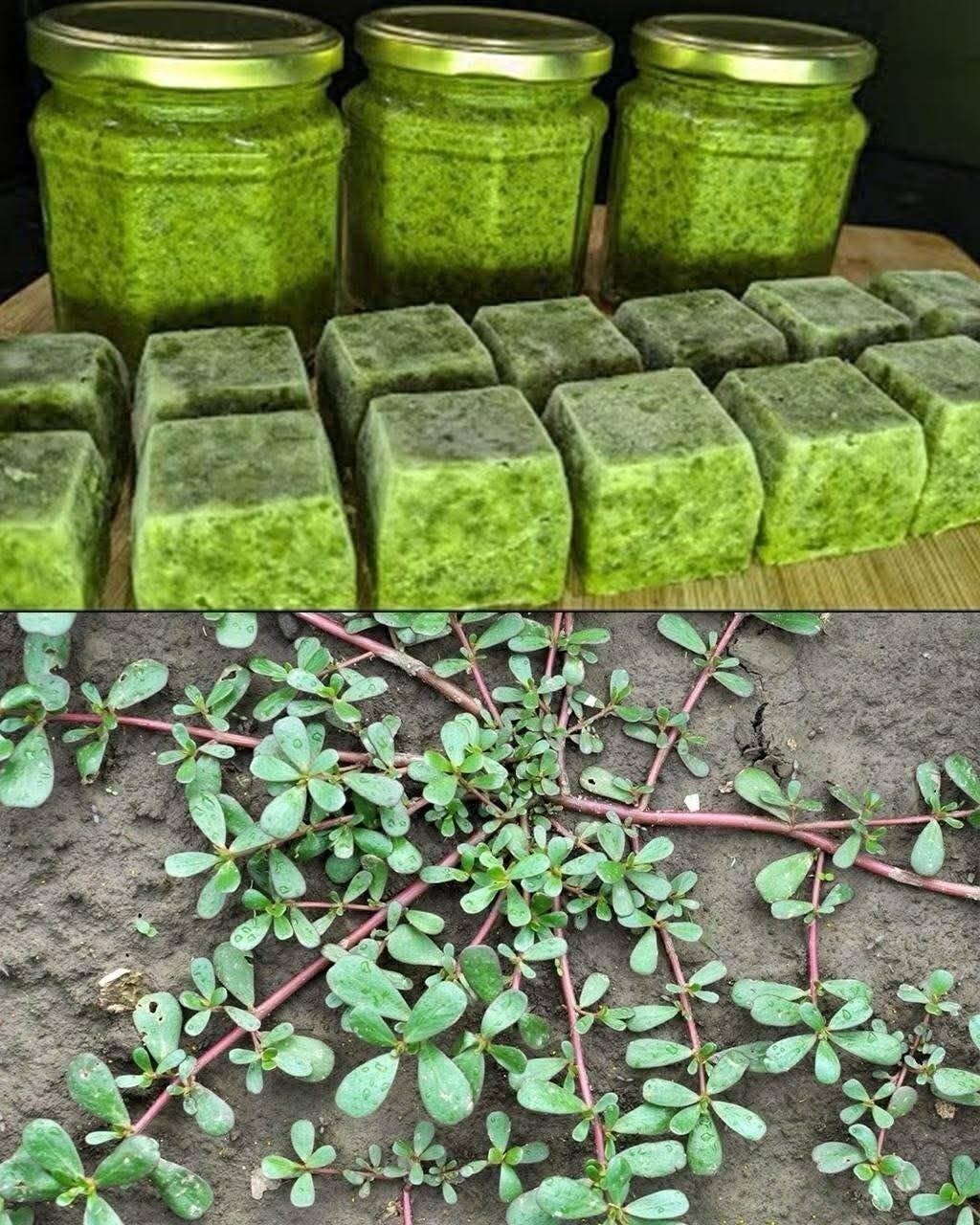
Purslane (Portulaca oleracea) is a succulent annual plant found worldwide. It has:
Thick, fleshy green leaves
Small yellow flowers
A crisp, slightly tangy, lemony flavor
A remarkable ability to thrive in poor soil and hot weather
It’s eaten raw in salads, cooked in soups and stir-fries, pickled, or blended into smoothies. In Mediterranean, Middle Eastern, Asian, and Mexican cuisines, it’s not a weed—it’s a valued ingredient.
And nutritionally? It punches far above its weight.
🔬 The Nutritional Powerhouse: What’s Inside Purslane?
HomeWhat Happens to Your Body When You Eat Purslane Every Day — Especially After 60
What Happens to Your Body When You Eat Purslane Every Day — Especially After 60
Here’s what makes purslane special—especially for aging bodies:
✨ Omega-3 Fatty Acids (ALA)
Purslane is one of the richest plant sources of alpha-linolenic acid (ALA), a type of omega-3 fat.
Why it matters after 60: Omega-3s support heart health, reduce inflammation, and may help preserve cognitive function.
✨ Antioxidants (Vitamins C & E, Beta-Carotene, Glutathione)
These compounds combat oxidative stress—a key driver of aging and chronic disease.
Why it matters after 60: Antioxidants help protect cells from damage, support immune function, and may reduce risk of age-related conditions.
✨ Minerals: Magnesium, Calcium, Potassium, Iron
Purslane delivers a surprising mineral boost in a small serving.
Why it matters after 60: These minerals support bone density, muscle function, blood pressure regulation, and energy metabolism.
✨ Dietary Fiber & Water Content
Its succulent leaves are hydrating and gentle on digestion.
Why it matters after 60: Fiber supports gut health and regularity; hydration becomes increasingly important with age.
✨ Unique Compounds: Betalains & Dopamine
Purslane contains rare antioxidants called betalains (also found in beets) and even small amounts of dopamine—a neurotransmitter involved in mood and movement.
Why it matters after 60: Emerging research suggests these compounds may support brain health and cellular resilience.
💙 What Happens When You Eat Purslane Daily (Especially After 60)
While individual results vary, here’s what science and traditional wisdom suggest may happen with consistent, moderate consumption:
❤️ Your Heart May Thank You
The combination of omega-3s, potassium, and antioxidants in purslane supports cardiovascular health by:
Helping maintain healthy blood pressure
Reducing inflammation in blood vessels
Supporting healthy cholesterol levels
Research note: A 2021 review in Nutrients highlighted purslane’s potential cardioprotective effects, though more human trials are needed .
🧠 Your Brain May Stay Sharper
Omega-3s and antioxidants work together to protect brain cells from oxidative damage. Traditional medicine systems have long used purslane to support memory and calm the nervous system.
Research note: Animal studies suggest purslane extracts may support cognitive function, but human data is still emerging .
🦴 Your Bones May Stay Stronger
With calcium, magnesium, and vitamin K (in some varieties), purslane contributes to bone mineral density—a critical concern after 60, especially for women.
Practical tip: Pair purslane with vitamin D-rich foods (like eggs or fatty fish) to enhance calcium absorption.
🔥 Inflammation May Decrease
Chronic, low-grade inflammation is linked to many age-related conditions. Purslane’s antioxidants and omega-3s may help modulate inflammatory pathways.
Research note: Lab studies show purslane extracts inhibit inflammatory markers, but more clinical research is needed to confirm effects in humans .
🩸 Blood Sugar May Stabilize
See next page