Some traditional systems use purslane to support healthy glucose metabolism. Early research suggests compounds in purslane may help improve insulin sensitivity.
Important: If you take diabetes medication, talk to your provider before adding large amounts of purslane to your diet.
🌞 Your Skin May Glow
Vitamin C, beta-carotene, and hydration from purslane support skin elasticity and protection against environmental damage.
Bonus: Its mucilaginous (slightly gel-like) texture may soothe the digestive tract—a gentle benefit for sensitive stomachs.
🥗 How to Enjoy Purslane Safely & Deliciously
Ready to try it? Here’s how to add purslane to your routine with confidence.
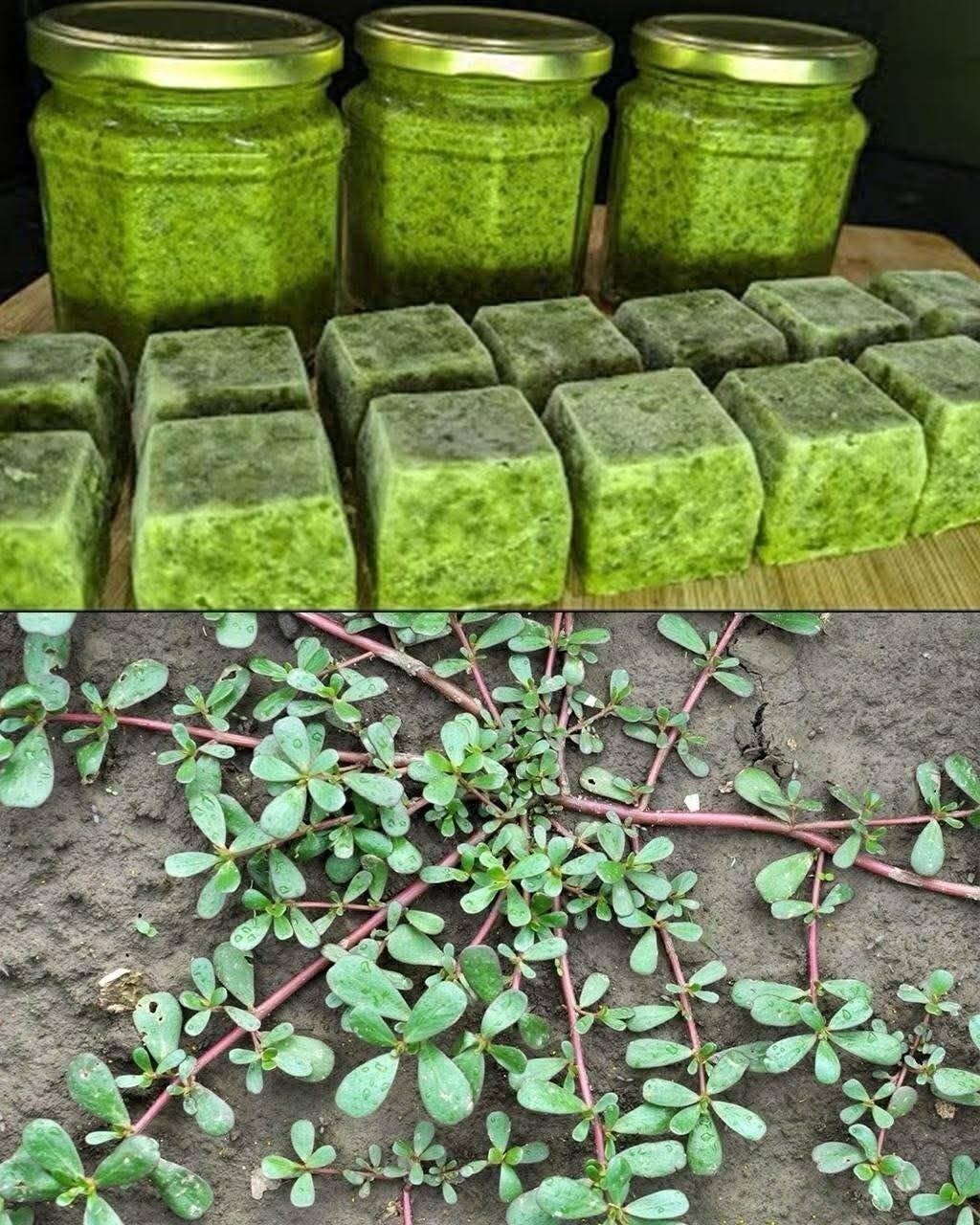
Where to Find It
Your garden: If you don’t use pesticides, purslane is likely growing nearby! Look for it in sunny spots with well-drained soil.
Farmers markets: Many vendors sell it as “purslane,” “verdolagas,” or “little hogweed.”
Grocery stores: Sometimes available in the specialty greens section or international markets.
Grow your own: It’s easy to cultivate from seed or cuttings—just give it sun and minimal water.
How to Prepare It
🥗 Raw: Add young leaves and stems to salads for a crisp, lemony crunch.
🍲 Cooked: Sauté with garlic and olive oil, add to soups, or stir into grain bowls.
🥤 Blended: Toss a handful into smoothies for a nutrient boost without overpowering flavor.
🥒 Pickled: Preserve purslane in vinegar brine for a tangy condiment.
How Much to Eat
Start with a small handful (about ¼ cup) daily to assess tolerance.
Most traditional diets include purslane as part of a varied diet—not as a sole focus.
There’s no established “dose,” but moderation is key.
Safety Considerations for Adults Over 60
✅ Generally recognized as safe: Purslane has a long history of culinary use.
⚠️ Oxalates: Like spinach, purslane contains oxalates. If you have a history of kidney stones, enjoy it in moderation and stay well-hydrated.
⚠️ Medication interactions: Purslane may have mild blood-thinning or blood sugar-lowering effects. If you take anticoagulants, diabetes meds, or blood pressure drugs, consult your provider before making it a daily habit.
⚠️ Foraging caution: Only harvest purslane from areas you know are free of pesticides, herbicides, or pet contamination. When in doubt, buy it.
🌱 Simple Ways to Add Purslane to Your Day
You don’t need a gourmet recipe to benefit. Try these easy ideas:
✨ Morning: Toss a handful into your scrambled eggs or omelet.
✨ Lunch: Add raw purslane to your salad or sandwich for extra crunch.
✨ Snack: Blend purslane with cucumber, lemon, and yogurt for a cooling dip.
✨ Dinner: Sauté purslane with garlic and olive oil as a simple side dish.
✨ Weekly: Make a big batch of purslane soup or stew and freeze portions for easy meals.
❓ Frequently Asked Questions
Does purslane taste “weedy”?
Not at all! It has a fresh, slightly citrusy, succulent flavor—more like a cross between watercress and lemon. Many people enjoy it raw.
Can I eat purslane every day?
For most people, yes—in moderation as part of a varied diet. If you have kidney concerns or take certain medications, check with your provider first.
Is cultivated purslane different from wild?
Nutritionally, they’re very similar. Cultivated varieties may have larger leaves and milder flavor. Both are beneficial.
Can purslane replace fish for omega-3s?
Purslane provides ALA (plant-based omega-3), while fish provides EPA/DHA. Both are valuable. For optimal brain and heart health after 60, many experts recommend including both plant and marine omega-3 sources.
What if I can’t find purslane?
Other nutrient-dense greens like spinach, kale, or arugula offer overlapping benefits. But if you have access to purslane, it’s worth trying!
💬 A Gentle Reminder: Food Is One Piece of the Puzzle
Here’s what I hope you take away:
Purslane is remarkable—but it’s not a magic bullet.
Eating it daily won’t reverse aging or cure disease. But as part of a balanced, colorful, whole-food diet—paired with movement, rest, connection, and medical care when needed—it can be a powerful ally in supporting your health after 60.
Small, consistent choices add up. Adding a handful of nutrient-dense greens like purslane is one of those choices.
Your Turn: Have You Tried Purslane?
I’d love to hear from you!
🔹 Have you ever eaten purslane? What did you think of the flavor?
🔹 Do you have a favorite way to prepare it?
🔹 Or maybe you’re inspired to look for it in your garden or market this week.
Drop a comment below and share your story. And if you think a friend who loves gardening, cooking, or natural wellness might appreciate this, pass it along. Sometimes, the most powerful health tools are growing right under our feet.
Here’s to honoring traditional wisdom, embracing emerging science, and nourishing our bodies with curiosity and care—one leaf at a time.
What Happens to Your Body When You Eat Purslane Every Day — Especially After 60
ADVERTISEMENT